What to know about removals in Camden Town NW1 London
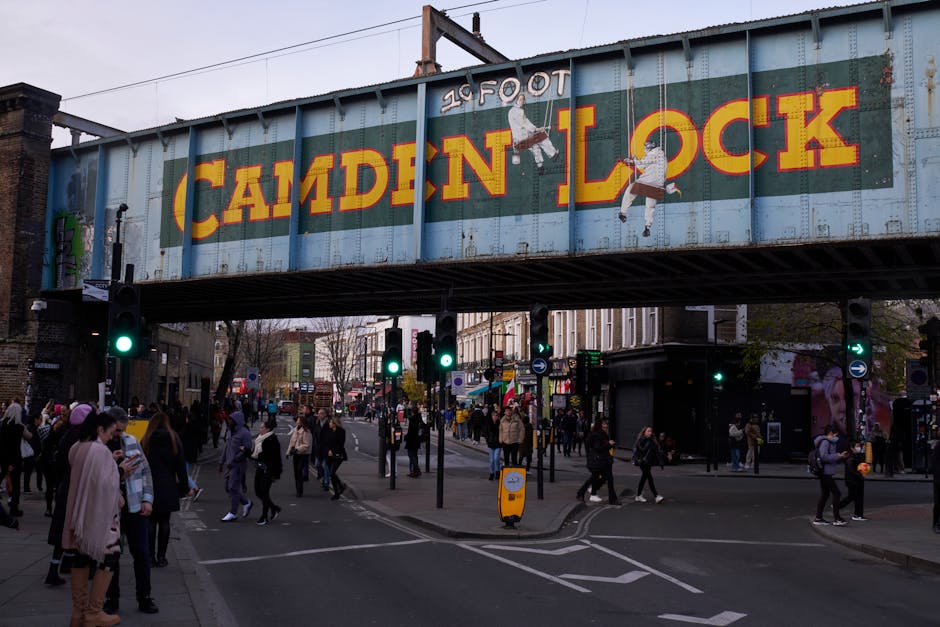
If you are planning a move in Camden Town NW1 London, the basics matter more than people often expect. Narrow streets, busy pavements, mixed housing types, controlled parking zones, and awkward staircases can turn a simple removal into a long day if you do not prepare properly. What to know about removals in Camden Town NW1 London is not just about booking a van; it is about timing, access, packing, parking, and choosing the right type of removal help for your place.
In practice, that could mean moving from a top-floor flat near the High Street, shifting a family home close to quieter residential roads, or relocating an office with lift access and tight loading space. Each setup has its own rhythm. The good news? A well-run move in Camden does not need to be stressful. It just needs a bit of local awareness and a clear plan.
Below, you will find a practical guide to the moving process, the common headaches people run into, and the sensible choices that usually make the biggest difference. To keep things usable, this article is written for real people in real moving situations, not just for search engines. Although, yes, it is still properly organised.
Why removals in Camden Town NW1 London matter
Camden is one of those places where moving needs a bit more thought than average. It is lively, busy, and full of character, but it is not the easiest part of London to treat like a standard suburban move. If you have ever tried to get a large van near a busy road at the wrong time of day, you will know the feeling: everyone is in a hurry, the pavement is never quite clear, and there always seems to be one extra flight of stairs hiding somewhere.
That is why removals in Camden Town NW1 London matter. The right planning can save time, reduce damage risk, and cut avoidable costs. A move that looks straightforward on paper can become messy if the van cannot stop close enough, if the lift is too small for furniture, or if you underestimate how long loading really takes. Truth be told, those little details are usually where the trouble starts.
For homeowners, renters, landlords, and businesses, the practical challenge is the same: get everything out safely without blocking the street, upsetting neighbours, or overpaying for delays. Camden also has a mix of period conversions, compact flats, maisonettes, and commercial premises, so a one-size-fits-all approach rarely works.
Expert summary: In Camden, the best moves are usually the ones that are planned around access first and furniture second. If you get the street access, parking, and loading order right, the rest becomes far easier.
That is also why services such as removals and man and van options are often compared so closely by people moving in the area. The difference is rarely just the vehicle. It is about how much help you need, how much you are moving, and how tight the access is.
How removals in Camden Town NW1 London work
At a basic level, a removal follows the same broad pattern everywhere: assess the property, plan the move, pack and load, transport, then unload and place items at the destination. In Camden, though, each of those steps benefits from a little extra local judgement.
First comes the survey or quote stage. You may be asked what you are moving, how many floors are involved, whether there is lift access, and whether there are fragile or bulky items such as sofas, wardrobes, desks, or white goods. This is also the stage where access issues should be mentioned clearly. If a provider does not ask about stairs, parking, or loading distance, that is a small warning sign. Not always a bad sign, but worth noticing.
Then there is scheduling. In a busy area like NW1, the time of day can matter. Early starts are often easier for loading, especially if you need to avoid peak traffic or reduce disruption for neighbours and building managers. Some properties also need coordination with managing agents, concierges, or landlords. If your building has booking slots for lifts or loading bays, get that sorted early.
On moving day, a typical process might look like this:
- Protect floors, door frames, and bulky furniture before carrying anything out.
- Load the largest and heaviest items first, then build around them.
- Secure fragile boxes and loose items so they do not shift in transit.
- Transport everything efficiently, with attention to route, parking, and timing.
- Unload in the right order, placing essential items where you need them first.
For smaller loads or student moves, a man with a van or removal van may be enough. For fuller house moves, a larger team or a more structured house removals service can make the day feel less frantic. That is especially true if you have beds to dismantle, appliances to protect, or several rooms to clear.
Key benefits and practical advantages
The obvious benefit of using a professional removal service is physical help. Less lifting, less stress on your back, fewer damaged corners on furniture. But the real advantages go further than that.
1. Better time control
When a move is planned properly, the day tends to flow. That matters because delays in Camden can snowball quickly. If loading takes twice as long as expected, you may lose your parking window, upset the schedule at the destination, or push the move into a much busier part of the day.
2. Safer handling of awkward items
Camden properties often involve narrow stairs, tight landings, and tricky doorways. A good removal team knows how to angle furniture, protect walls, and move heavy pieces without turning the place into a scratchy disaster zone. You do not want a wardrobe wedged halfway down a stairwell. Been there? Nobody wants that.
3. Less decision fatigue
Moving is one of those jobs that seems to multiply the number of tiny choices. What goes first? What stays with you? Which boxes need to be opened on day one? A reliable moving plan reduces that mental clutter.
4. Better fit for your property type
A compact flat move and an office relocation are not remotely the same thing. The right service should match the task. For example, packing and unpacking services can be worth it when time is short or the contents are delicate, while office removals are more about coordination, downtime, and getting people working again quickly.
5. More predictable costs
Even where pricing is tailored, a clear quote based on the real job tends to be more reliable than a guess. If you are comparing options, the page on pricing and quotes is a sensible place to understand how estimates and service levels are usually explained.
Who this is for and when it makes sense
Removals in Camden Town NW1 London are relevant to far more people than just homeowners. In fact, the area's mix of property types means plenty of different move profiles show up here.
Renters moving between flats often need fast, flexible help. If you are going from one small flat to another, the main challenge is usually access rather than volume. You may not need a huge lorry, but you do need someone who can move efficiently in tight spaces.
Families moving homes generally need more structure. There are more rooms, more furniture, more emotional baggage too if we are honest. In that case, home moves or house movers can offer a better fit because the service is built around full household logistics.
Businesses relocating offices need planning around working hours, equipment, documents, and staff access. A delay can affect revenue and operations, so an organised provider matters. If that is your world, office relocation services may be the more suitable match.
Students and sharers usually want something affordable and straightforward. A smaller van service may be enough, especially if the move is mostly boxes, a desk, and a bed frame.
People clearing a property may also need help removing old items before a sale, rental handover, or refurbishment. In that case, a service like furniture pick up can be useful for bulky pieces that need to go without hassle.
When does it make sense to hire help rather than DIY? Usually when you have any of the following:
- heavy furniture or appliances
- limited parking or difficult access
- multiple floors and no lift
- a deadline for checkout, completion, or handover
- fragile items that need careful handling
- not enough time, help, or vehicle space
Step-by-step guidance
If you want the move to feel manageable rather than chaotic, break it into stages. That sounds obvious, but honestly, people skip this part all the time.
1. Start with the property details
Measure the largest items, note the number of stairs, check lift access, and think about where the vehicle can stop. If you have a long carry from street to front door, say so early. It changes the quote and the plan.
2. Decide what you are moving
Make a practical list. Keep, sell, donate, recycle, dispose. Camden homes can hide a surprising amount of stuff in cupboards and under beds, and those extra bits add time and space. The less you move, the easier the day.
3. Choose the right service format
If you only need loading, transport, and unloading, a smaller setup may work. If you need full packing support, heavier lifting, or a larger household move, book a more complete service. Do not overbuy. Do not underbuy either. Easy to say, harder to get right, but worth getting right.
4. Pack in the right order
Pack room by room and label boxes clearly. Essentials should go into a separate bag or box: keys, medication, chargers, documents, kettle, tea bags. That last one is not essential in a legal sense, but it helps morale. A lot.
5. Prepare access and parking
This is where Camden moves are won or lost. Confirm any parking arrangements, loading access, or building instructions before the day. If you are using a larger vehicle, it is worth checking whether a moving truck makes more sense than a smaller van for your job.
6. Keep a move-day priority list
When you arrive at the new place, do not try to unpack everything at once. Focus on beds, kitchen basics, and anything needed for work or children. The rest can wait a bit. No one gets bonus points for opening every box by 5 p.m.
Expert tips for better results
A few small decisions can make a surprisingly large difference. These are the bits people remember later.
Be realistic about volume. It is tempting to say "it is only a few boxes" when there is actually a sofa, two bookcases, a desk, and a mountain of kitchen gear. Be precise. Underestimating volume is one of the fastest ways to create stress.
Use the move to declutter. Camden properties can be compact, so moving fewer items is often a win in itself. If something has not been used in ages and does not suit the new place, now is a good time to let it go.
Photograph cable setups. If you are moving computers, routers, TVs, or office equipment, take quick photos before unplugging anything. It saves a surprising amount of fiddling later. Little thing, big relief.
Protect corners and floor paths. Older properties and tight hallways are easy to mark. Basic protection reduces the chance of avoidable damage and awkward conversations.
Keep one box completely separate. Put together a first-night box with bedding, toiletries, chargers, snacks, a mug, and cleaning wipes. That one box can save your evening.
Ask about insurance and handling standards. A reputable provider should be able to explain how items are protected and what cover or process is in place. The page on insurance and safety is relevant here because it helps set expectations before the move starts.
Check the business basics. If you are comparing providers, it is worth reading about the company itself and how it works. The about us page can help build a sense of who you are dealing with, while terms and conditions help clarify what is included.
Common mistakes to avoid
Most moving problems are not dramatic. They are small, boring, and entirely avoidable. Which is almost worse.
Leaving access details until the last minute. If your van has nowhere to stop, everything slows down. You can lose time before the first box even moves.
Forgetting to measure furniture. That old sofa may look fine in the current flat, but what if it will not turn on the landing or fit the lift? Measure first. Regret later is not fun.
Packing fragile items too loosely. Use enough wrapping, fill gaps in boxes, and avoid overloading one carton with glass or heavy books. A box should survive a bit of wobble, not behave like a demolition test.
Not separating essentials. If the kettle, chargers, and toiletries disappear into the general chaos, the first evening feels longer than it should.
Booking the wrong type of service. A small van is efficient for some jobs, but if you have a full home or commercial move, it may create multiple trips and extra cost. Sometimes a larger setup is actually the more sensible choice.
Ignoring disposal and recycling. If you are clearing out unwanted furniture, think ahead about what needs to be reused, recycled, or taken away. The recycling and sustainability page is useful if you want a better sense of how responsible disposal fits into the overall move.
Tools, resources and recommendations
You do not need a complex toolkit to manage a move well. In most cases, a few good basics are enough.
- Strong boxes: use consistent sizes where possible so they stack well.
- Permanent marker: label each box with the room and a short contents note.
- Bags or tubs for small items: screws, remotes, cables, and fittings vanish quickly if you do not keep them together.
- Furniture blankets or wraps: useful for corners, polished surfaces, and anything fragile.
- Tape and scissors: simple, but you will need more than you think.
For a more hands-on move, some people prefer a fuller van and driver setup; others want a complete crew. If you are leaning toward smaller-scale support, man with van removal or a moving van arrangement may suit a compact household or lighter load.
If the job is bigger, the right recommendation is usually to step up rather than squeeze everything into a too-small vehicle. That is especially true in Camden, where a second trip can cost more time than expected.
Law, compliance, standards, or best practice
For removals, compliance usually means keeping the move safe, lawful, and considerate rather than chasing a maze of technical rules. The exact requirements can vary by building, local parking arrangements, and the type of items being moved, so careful planning is the sensible approach.
In everyday terms, good practice includes:
- using trained people for heavy lifting and awkward items
- keeping access routes clear and safe
- protecting property surfaces where practical
- confirming insurance and liability expectations in advance
- handling customer belongings securely and respectfully
- following building rules, loading rules, and time restrictions
If you are moving from a flat or managed building, the property manager may have its own procedures. That could include lift booking, protective padding, or permitted delivery windows. These are not always formal laws, but they matter in real life because they keep the move smooth and keep everyone less annoyed.
For business customers, especially those arranging an office move, it helps to review provider policies carefully. Pages such as health and safety policy and commercial moves are helpful indicators of how a company approaches risk, handling, and planning. The same goes for payment and security if you want clarity on how booking and payment are managed.
Options, methods, or comparison table
Choosing the right removal method depends on what you are moving, how far, and how much help you want. Here is a simple comparison.
| Option | Best for | Strengths | Watch out for |
|---|---|---|---|
| Man and van | Small flats, lighter loads, short local moves | Flexible, often efficient, good for quick jobs | Can be tight on space for large furniture or many boxes |
| Removal van | Medium-sized domestic moves | Good balance of capacity and manoeuvrability | May not suit very large household contents |
| Moving truck | Larger homes, bulkier furniture, fuller loads | More capacity, fewer trips | May need better access and parking planning |
| Full house removals | Entire home moves, stairs, bulky items, time-sensitive moves | More complete support, less heavy lifting for you | Usually the most structured option, so planning matters |
| Office removals | Business relocations, desks, IT gear, files | Organised, efficient, less downtime | Needs tighter scheduling and clearer coordination |
If you are unsure, a practical starting point is to think about risk: risk of delay, risk of damage, risk of underestimating the load. The higher the risk, the more sense it makes to choose a fuller service rather than a lean one. Simple enough, really.
Case study or real-world example
Picture a couple moving from a second-floor flat near Camden Town station into a slightly larger rental in NW1. They have a sofa, a bed, a dining table, six book boxes, kitchen equipment, and a bicycle. Nothing outrageous. But the old flat has a narrow stairwell, and the new place has restricted loading outside. On paper, it looks like a short move. In reality, the access is the story.
They start by separating essentials, photographing awkward items, and checking the exact loading space available at both ends. They choose a service that can handle the stairs and the timing without needing multiple rushed trips. The result? Fewer surprises. The move finishes with fewer scrapes, fewer arguments about where the charger went, and no late-afternoon panic because the van could not stop where it needed to. That kind of day feels almost boring in hindsight, and boring is brilliant when you are moving.
Another common version is a small creative office shift. A team of five needs desks, monitors, archives, and a couple of storage cabinets moved between two Camden addresses. The best outcome usually comes from careful labelling, clear sequencing, and a provider that understands business downtime. That is where a well-planned office removals approach matters more than raw muscle.
Practical checklist
Use this checklist a few days before moving:
- Confirm move date, arrival time, and access instructions
- Check parking, loading, and building rules
- Measure large furniture and doorways
- Separate fragile items and label them clearly
- Pack an essentials box for the first 24 hours
- Disassemble furniture only if it will help the move safely
- Keep keys, documents, and chargers with you
- Tell neighbours or building management if needed
- Review quote details and included services
- Plan recycling, disposal, or unwanted item removal
Quick reminder: the most successful moves are not always the most dramatic. They are the ones where somebody remembered the tiny things early enough.
Conclusion
What to know about removals in Camden Town NW1 London comes down to a simple idea: the area rewards preparation. If you plan for access, choose the right vehicle or service level, and pack with the property layout in mind, the move becomes far more manageable. The local setting is busy and sometimes a bit unforgiving, but that is exactly why a clear plan pays off.
Whether you are moving a flat, a family home, or an office, the smartest step is usually to match the service to the real job rather than the ideal version of it. That means being honest about stairs, parking, volume, and time. Do that well, and you are already ahead.
If you want a clearer idea of what suits your move, you can explore options such as removal company, removal services, or smaller vehicle-based support depending on what you are actually shifting. And if you are comparing providers, it helps to look at the company background, safety, and policies too.
Get a free quote today and see how much you can save.
At the end of the day, a move is just a move, but a well-handled one can give you that rare feeling of calm in the middle of a busy London week.
Frequently Asked Questions
What is the best type of removals service for a Camden Town flat?
For many Camden flats, a man and van or smaller removal van service is enough, especially if access is tight and the load is moderate. If you have heavier furniture, multiple floors, or a fuller property, a more complete removals service is usually the safer choice.
How far in advance should I book removals in Camden Town NW1 London?
It is usually sensible to book as early as you can, especially if you need a specific date, morning slot, or coordinated building access. Popular dates can fill quickly, and the earlier you confirm the details, the fewer surprises you will have later.
Do I need to arrange parking for a removal van in Camden?
Often, yes. Camden can be difficult for stopping and loading, so parking and access should be checked before the move. If you do not sort it out, the job may take longer and become more stressful than it needs to be.
Is a man and van suitable for a full house move?
Sometimes for smaller homes, but not always. If you have a lot of furniture, several rooms of boxes, or bulky items, a larger vehicle or a fuller removal team is usually more practical. It is better to have enough space than to make two or three rushed trips.
What should I pack separately for move day?
Keep essentials with you: keys, phone charger, medication, basic toiletries, a change of clothes, important documents, and a kettle or tea kit if you are that way inclined. A first-night box saves a lot of messing about when you arrive tired.
Are packing services worth it?
They can be, especially if you are short on time, have breakables, or simply do not want the whole house to be covered in half-sealed boxes the night before. Packing and unpacking services can take a lot of pressure off, though not everyone needs them.
How do I know if my furniture will fit through the stairs or doors?
Measure the widest parts of the furniture and compare them with the tightest points in the property, including turns on the stairwell. If you are unsure, mention it when requesting a quote. A good mover will want to know before moving day, not during it.
What affects the cost of removals in Camden Town NW1 London?
Common factors include the volume of items, access difficulty, number of floors, distance to carry items, vehicle size, packing needs, and whether the move is local or longer distance. Costs can also be affected by timing and any extra handling required.
Can office removals be done outside normal working hours?
Often they can, depending on the provider and building access. After-hours or weekend planning is common for businesses that want to reduce downtime and keep staff interruptions low. It is one of those things worth discussing early.
What if I need to get rid of old furniture before moving?
You can plan for that as part of the move. A furniture pick-up or clearance-style arrangement may help if you have bulky items that no longer make sense to take with you. The key is not leaving it until the last morning and hoping it sorts itself out. It rarely does.
Should I choose a removal company or do it myself?
DIY can work for very small moves with easy access and plenty of help. But if you have stairs, larger furniture, a deadline, or limited parking, a professional team usually offers better value in the real world because it reduces risk and stress.
What should I check before accepting a quote?
Check what is included, how access is being assessed, whether packing or dismantling is covered, and how payment is handled. It is also wise to review the provider's safety and policy information so you know what to expect. A clear quote is a good sign; a vague one is not.