London removal services in London

London Removal provides removal services in London for homes, flats and small businesses that need practical help moving belongings from one place to another. The service is centred on careful lifting, sensible planning and straightforward transport, with options that suit a single bulky item, part-load moves or fuller property clearances. If you are arranging a move and want a clear next step, request a quotation once you have a good idea of the items and access involved.
Our removals work is intended to keep the job organised from the first conversation through to delivery. That usually means matching the vehicle size to the load, protecting items during transit and thinking through access at both ends of the move. For customers who want to compare options before deciding, the pricing and quotes page is a useful place to start, while the removal services overview gives a broad picture of the kinds of work we handle.
Because every move has its own mix of furniture, boxes, stairs and parking arrangements, it helps to describe what needs moving in plain terms. A compact flat move, a family home move and a business relocation all call for slightly different handling, even when the distance is short. Careful preparation makes the process easier: a short inventory, notes on any heavy items and a clear date window help create a more accurate quote and a more practical plan.
Home and flat removals for everyday moves
Domestic removals can involve anything from a few pieces of furniture to a full household move, and the best approach depends on access, volume and fragility. Our team can help move sofas, beds, wardrobes, white goods, boxed belongings and mixed household items, with attention to safe loading and orderly unloading. If you need support with a family move, the home moves page explains the broader domestic moving service, while the house removals page is relevant where a full property move is the main job.
For London flats, stairs, shared entrances and tighter loading spaces often matter as much as the distance being travelled. That is why a good removal plan should take account of lift access, entry codes, narrow corridors and the order in which rooms will be cleared. When the job is smaller, the man and van option can be suitable; for a more traditional household move, the house movers page is helpful if you want to see how a larger domestic move is typically organised.
Simple preparation makes domestic removals less stressful. If you can, group smaller items into labelled boxes, keep essentials separate and make a note of any objects that need particular handling, such as mirrors, glass-topped tables or awkwardly shaped furniture. It also helps to mention whether disassembly will be needed, because that affects time on site and how the move is planned. Clear information at the start usually leads to a better-matched service and fewer surprises on the day.
Furniture moving, single items and practical loading

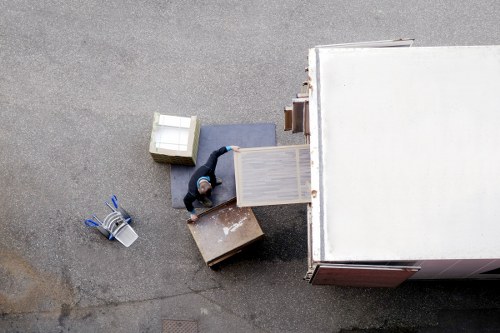
Not every enquiry is a full house move. Some customers only need a few heavy pieces shifted, collected or delivered, and that is where focused furniture transport is useful. We can handle items such as beds, wardrobes, desks, drawers and boxed household goods, provided the access and handling requirements are understood in advance. The furniture pick-up page covers this type of smaller collection work, while the moving van page is relevant when a van-based move is the best fit.
Loading is not simply a matter of fitting everything into a vehicle. Heavy items should be positioned so they can be secured properly, lighter items should be stacked to avoid crushing and delicate surfaces should be protected from marks and rubbing. For customers comparing different transport options, the removal van and moving truck pages give a sense of the vehicle types used for different load sizes. These choices matter when furniture includes awkward shapes, fragile finishes or items that are too large to carry alone.
When preparing furniture for collection or delivery, it helps to decide what must stay assembled and what can be taken apart. That decision affects the route through the property, the amount of time needed and how many hands are required on site. If drawers can be emptied and detachable parts kept together, the move is often easier to organise. For anything especially heavy, awkward or valuable, it is best to mention those details early so the job can be planned with the right care.
Commercial removals and office relocation support
Commercial moving work needs order, timing and a clear understanding of what has to be relocated. Offices, workshops and small business premises often contain desks, chairs, storage units, IT equipment, archive boxes and stock that must be moved without unnecessary disruption. Our commercial moves page covers the broader business side of the service, while office removals is the more direct choice if you are planning a workplace move and want to understand the scope.
Office relocation is usually about more than shifting furniture from one address to another. A sensible plan takes account of the order in which rooms should be cleared, whether desks need to be dismantled and how sensitive items should be handled during transport. For that reason, the office relocation services page can help if you want a more structured overview of the moving process, while the packing and unpacking services page is useful where preparation and setup are part of the job.
Businesses often prefer moves to be tidy, efficient and predictable, with as little interruption as possible. That means knowing what is moving, what can stay behind and whether any items need to be tagged or grouped by department. A short walk-through, inventory or room-by-room list is usually enough to make the quote more accurate. If you are moving a workplace rather than a home, keep the details focused on assets, floor access and timings rather than broad estimates.
What affects a removal quote

Removal prices are usually shaped by a practical set of factors rather than a fixed one-size-fits-all figure. The amount of furniture, the number of boxes, the ease of access, parking conditions and the distance between collection and delivery points all influence the work involved. Our pricing and quotes page is the right place to look if you want to understand how quotations are approached, and the contact us page is the natural next step when you are ready to ask for one.
It is often useful to think about a move in terms of labour, vehicle space and time. A job with multiple floors and no lift will usually take longer than one with level access; a property full of awkwardly sized furniture may require more care than a simple box move; and a long cross-city journey naturally changes the shape of the work. We do not assume the same setup for every enquiry, because the details are what shape a sensible plan and a fair quotation.
To get the most useful quote, it helps to share the main items first, then mention anything that might affect loading or access. If there are narrow staircases, restricted parking, unusually large furniture or a deadline for moving in or out, those points should be included from the start. The clearer the information, the easier it is to match the service to the job without overcomplicating the process.
Packing, unpacking and making the move manageable
Packing is often the part of moving that takes longest in practice, especially when rooms contain a mixture of fragile items, heavy books, clothing and everyday household goods. Our packing and unpacking support can help with the stages before and after transport, so belongings are organised sensibly rather than handled in a rush. For customers who want to see the service in more detail, the packing and unpacking services page is the best place to look.
Good packing is about more than putting items into boxes. It involves choosing the right container for the right kind of item, protecting breakables and making sure boxes remain manageable to carry. If you are preparing the move yourself, keep weight in mind and avoid overfilling boxes with dense items. Useful essentials should stay separate so that they can be found quickly after delivery. This part of the job is often where a little organisation makes the whole move feel more controlled.
Where unpacking is part of the plan, it can help to think about priority items first. Kitchen goods, bedding, toiletries and work essentials are usually the things people want easiest access to straight away, while decorative or seasonal items can wait. If you are arranging both packing and transport together, try to mention which rooms matter most after arrival. That gives a clearer picture of how the work should be sequenced and keeps the move focused on what matters to you.
Choosing the right vehicle and move size
Different removal jobs benefit from different transport solutions, and vehicle choice is part of making the move efficient. A smaller load may suit a van-based service, while larger household contents may need more space and a different loading arrangement. Our man with van page is relevant where a compact, flexible move is enough, and the removals van page covers a similar practical option for lighter or more modest jobs.
For customers moving more than a few items but not enough for a full-scale lorry, the balance is usually between capacity, handling and convenience. The aim is to avoid paying for unused space while still making sure the load can be carried safely. The man with van removal and removal truck hire pages help show the range of transport choices available, depending on the size and shape of the job. A suitable vehicle reduces unnecessary back-and-forth and keeps loading orderly.
Vehicle planning is easier when you know the rough list of belongings rather than just describing the move in general terms. A few very bulky items may matter more than a much longer list of lighter ones. Likewise, disassembly can change the amount of room required and the sequence of loading. If you are unsure which size is best, a short list of main items is usually enough to narrow the choice and avoid guesswork. The goal is a fit that makes the move straightforward rather than overcomplicated.
About London
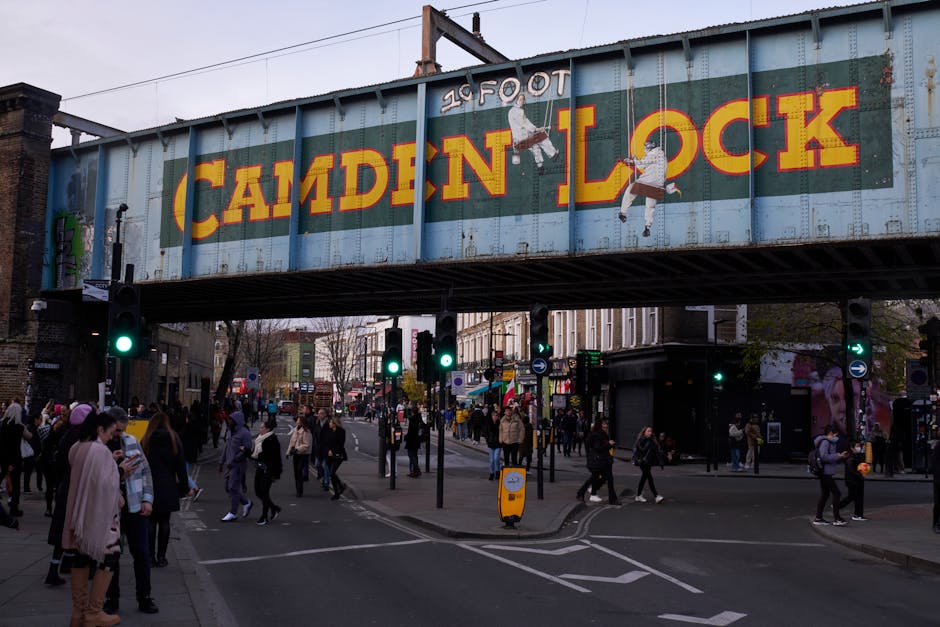
London is a large and historically layered city shaped by the River Thames, which curves through its centre and has long influenced trade, settlement and transport. The city grew from the Roman settlement of Londinium into a major medieval and early modern capital, and its built environment still reflects many periods at once. Alongside financial districts and civic centres, there are residential streets, squares, parks and stretches of waterfront that give different parts of the city their own character. The historic core remains closely connected to the wider metropolitan area, with transport routes linking neighbourhoods, boroughs and outer districts across a very large urban landscape. London’s architecture ranges from surviving older churches and terraces to post-war estates, contemporary towers and restored industrial buildings, creating a city where old and new often sit side by side. Cultural life is similarly varied, with theatres, galleries, markets, museums and neighbourhood institutions all contributing to a place that is not defined by a single centre alone. Public open spaces such as Hyde Park, Regent’s Park and many smaller commons and gardens provide breathing room within the dense street pattern, while bridges, embankments and river paths offer some of the city’s most familiar views. The city’s scale means that local identity often matters as much as the capital-wide label, and different districts can feel remarkably distinct even when they are only a short journey apart.
Helpful service pages and practical decisions
If you are comparing service types, it can help to look at the pages that match the shape of the move rather than trying to make one service cover everything. The removals page gives a general overview, while removal company and removal companies help frame the broader service category. These pages are useful when you want to understand how a removal job is described and what kind of support is available for different move sizes and property types.
Some customers know they need a move but are still deciding between a full removals package and a simpler transport option. In that situation, the man-with-van removals and removals near me pages can help orient the choice, especially where the job is local and the load is not especially large. The aim is not to overstate the service, but to match the right level of help to the items, the access and the journey involved.
A short list of priorities often clarifies the decision quickly. You may need help with heavy lifting, a van with enough space, packing support, or a simple point-to-point transport arrangement. Once those needs are clear, it becomes easier to choose the service route that suits the move best. If you are still comparing options, keep the details practical and make note of anything unusual so the next step is easier to judge.
Planning the day of the move

Good moving-day planning is about reducing avoidable delays and keeping the job organised from arrival to unloading. That means knowing which items are going first, whether any furniture must be separated before loading and how access will work at both properties. It also helps to have clear contact details ready for the move itself, especially if keys, parking or building access depend on timing. A little structure on the day can prevent last-minute confusion.
For household jobs, it is usually wise to keep essentials apart from the main load. Documents, medication, chargers, basic kitchen items and overnight necessities are often best carried separately so they remain easy to reach. For business moves, the same principle applies to equipment that must be back in use quickly. The best removal plan is not necessarily the most complex one; it is the one that keeps the load manageable and the delivery sequence clear.
If you are ready to discuss a move in London, request a quotation and share the main items, access details and preferred moving date. You can also use the contact page when a brief enquiry is all you need at first. The more plainly the job is described, the easier it is to shape the service around your requirements and provide a clear response.