Commercial Moves in Londonremoval
If your business is relocating, expanding, downsizing, or rearranging offices, warehouse space, retail units, or specialist premises, Commercial Moves in Londonremoval is the kind of service that needs careful planning and a local team that understands how London works. Commercial moving is not just about lifting desks and boxes. It is about protecting equipment, keeping staff informed, reducing downtime, working around building rules, and handling the practical realities of moving across busy streets, controlled parking areas, lift bookings, and tight access points.
Whether you are moving a small office in Shoreditch, a law practice in the City, a creative studio in Camden, a clinic in Kensington, or a multi-floor workspace in Canary Wharf, the process should feel organised and manageable. A well-run commercial removals service helps businesses transition with less disruption and more confidence. Londonremoval customers often want a move that is efficient, discreet, and flexible enough to fit around trading hours, building management requirements, and team availability.
From first planning to final placement, a trusted commercial moving team can make a major difference. This page is written for local business owners, facilities teams, office managers, and decision-makers who want clear information before booking. If you are preparing a move and need a local company that understands commercial removals across the capital, request a free quote and speak to a team that handles London business moves every day.
Commercial moving services designed for London businesses

Commercial removals are different from domestic moving because the stakes are usually higher. Office furniture, IT equipment, filing systems, stock, fixtures, and specialist tools often need careful labelling, secure handling, and a clear sequence for packing and delivery. A professional commercial moving service aims to keep your business running while the relocation takes place, whether you are moving one department or an entire site.
In a city like London, those differences matter even more. Buildings can have narrow loading bays, limited elevator access, time restrictions for deliveries, and strict rules about protecting lobbies and shared corridors. Add in congestion, controlled parking zones, and busy high streets, and it becomes clear why local knowledge matters. A team experienced in office removals in Londonremoval can plan around these challenges before moving day arrives.
Commercial moves can include a wide range of premises and requirements, such as office relocations, retail shop moves, studio transfers, archive transport, hospitality back-of-house moves, and light industrial removals. The right service should be built around your business needs rather than forcing you into a one-size-fits-all approach.
What is included in a commercial move
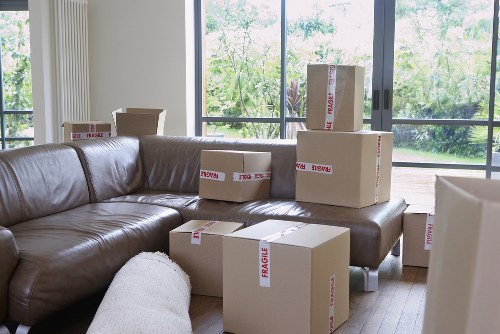
A reliable commercial removals service is usually much more than transport alone. Local businesses often need support before, during, and after moving day so that the relocation feels controlled and productive. Depending on your requirements, the service may include packing, dismantling furniture, secure transport, unloading, and reassembly at the destination.
Typical commercial moving services may include:
- Pre-move planning and scheduling
- Survey of the premises and access points
- Packing of office contents, files, and equipment
- Labelling systems for departments and workstations
- Disassembly and reassembly of desks, shelving, and meeting tables
- Safe handling of IT equipment and peripherals
- Transport between sites across London and beyond
- Placement of items according to your floor plan
- Removal of used packing materials, where arranged
For many businesses, this kind of support is essential. A move can happen in stages, perhaps starting with non-essential items, then departments, and finally critical systems. If you are moving a busy workplace, the service should be adaptable so it can be planned around your timetable, not the other way around.
Why local knowledge matters for commercial moves in Londonremoval

London is a city where no two commercial properties are quite the same. A converted warehouse in Hackney may have stairs, old freight doors, and restricted loading, while a modern office tower in the Docklands may require pre-booked lifts, security clearance, and strict arrival windows. A local mover who knows the area can anticipate those details and reduce delays on the day.
That local knowledge is especially useful when your move involves busy roads, one-way systems, and parking restrictions. In central areas such as Westminster, Holborn, the City, and South Bank, timing and access are crucial. In places like Islington, Battersea, Stratford, and Hammersmith, the mix of commercial units, shared buildings, and residential nearby properties can also affect how a move is organised.
Choosing a local company can also help if your move needs flexibility. Business plans sometimes change at short notice. A team working across London may be better placed to respond to updated building times, access arrangements, or phased relocation plans. That can be particularly valuable for companies that need a commercial move in Londonremoval completed with minimum disruption.
Types of commercial premises we move
Commercial removals cover a broad range of business environments. Some clients are moving a single office floor, while others need support for a larger, multi-department relocation. The service should always be adapted to the size and nature of the premises, the quantity of furniture, the fragility of equipment, and the level of interruption you can afford.
Common commercial move types include:
- Office moves for small businesses, start-ups, and larger corporate teams
- Retail unit moves for shops, showrooms, and customer-facing premises
- Studio relocations for creative agencies, design teams, and production spaces
- Clinic and practice moves for professional and appointment-based businesses
- Hospitality support moves for front-of-house and back-of-house equipment
- Warehouse and light industrial moves involving stock, shelving, and equipment
- Archive and document transfers for businesses with sensitive records
Each type of move has different priorities. Offices may need workstation labelling and IT care. Retail spaces may need stock handling and display furniture protection. Clinics and practices often require discretion, cleanliness, and a smooth handover. Understanding those differences is part of what makes commercial removals more specialised than standard house moving.
How the moving process works

A clear process makes a commercial move easier to manage. The best way to avoid disruption is to break the relocation into stages so everyone knows what happens and when. While every job is different, most business moves follow a pattern that helps keep the project under control.
Typical stages of a commercial move:
- Initial enquiry – You share the basics of the move, such as premises type, size, access details, dates, and special items.
- Survey or assessment – A review of the property helps identify access, packing needs, volume, and any restrictions.
- Move planning – The route, schedule, and sequence are organised around your business operations.
- Packing and preparation – Items are labelled, boxed, dismantled, and protected as needed.
- Moving day – The team loads, transports, and unloads items at the new location.
- Set-up and placement – Furniture and equipment are positioned according to your plan.
- Final checks – You review the new space and confirm that key items have been placed correctly.
This staged approach is helpful because it gives your team confidence and reduces confusion. For businesses that must keep serving customers, it can also support phased moves, weekend relocations, or after-hours work where suitable and agreed in advance.
Preparation checklist for a smoother commercial relocation

Good preparation can save time, reduce stress, and help your move run more efficiently. Even when you hire a professional moving team, there are still practical steps your business can take before the relocation begins. A short checklist helps departments stay organised and ensures important items are not overlooked.
Useful preparation steps include:
- Confirm the move date, access times, and building rules
- Notify staff about packing deadlines and workstation clear-outs
- Back up important digital data before disconnecting equipment
- Label files, boxes, and furniture by department or room
- Set aside confidential documents for secure handling
- Separate items that should travel with specific team members
- Measure large furniture and check the new premises for fit
- Arrange parking or loading permissions where required
- Tell the building manager, landlord, or facilities contact about timing
- Identify fragile, heavy, or specialist items in advance
It is also useful to prepare a simple floor plan for the new space. This can help the removals team place desks, cabinets, and other items in the correct areas quickly. The clearer the instructions, the easier it is to settle in on arrival.
Special care for office equipment, files, and furniture
Commercial moves often involve items that need more than basic lifting and loading. Office equipment may be expensive, delicate, or difficult to replace quickly. Filing systems may contain important paperwork that must remain organised. Furniture may be heavy, modular, or awkward to dismantle without the right tools.
Common items that need extra attention include:
- Desktop computers, monitors, printers, and scanners
- Servers and network-related hardware, where arranged by the client
- Conference tables, reception desks, and modular office furniture
- Lockable filing cabinets and archive boxes
- POS equipment, retail fixtures, and display units
- Specialist tools, workbenches, and stock storage systems
Handling these items correctly helps prevent damage and reduces the chance of delays when you arrive at the new location. For office moves, it can also be useful to label cables, devices, and workstation components so that set-up is easier. A business relocation should not feel like starting from zero.
IT and business continuity considerations
Technology is central to most workplaces now, so any commercial relocation should include careful thinking about how computers, internet-dependent systems, and communication tools will be switched over. While some companies handle their own IT disconnection and reconnection, others prefer to coordinate this in-house with their technical staff or external provider. The removals team can still support the physical move by working to the agreed sequence and protecting equipment during transit.
Business continuity matters because downtime can affect customer service, internal productivity, and revenue. In London, businesses often choose evening, weekend, or phased moves to limit disruption. A local team that understands those needs can help plan a move that fits your operations rather than interrupting them unnecessarily.
Access, parking, and building restrictions in London
One of the biggest reasons local companies are valuable for commercial moves in Londonremoval is the practical challenge of access. In central and inner London, parking can be restricted, loading bays may need booking, and building access rules can be strict. Many commercial properties are also in shared developments where lifts, corridors, and entrances must be protected.
These are some of the real-world challenges businesses often face:
- Limited loading space on narrow streets
- Permit or pay-and-display parking restrictions
- Busy traffic during peak travel times
- Lift booking windows in office buildings
- Stair-only access in older properties
- Security check-in procedures for towers and managed estates
- Restrictions on moving through residential entrances
A prepared moving team can help reduce these problems by planning arrival times, checking access details, and allowing enough time for loading and unloading. This is especially important in locations like Westminster, the South Bank, the City, Canary Wharf, Shoreditch, Soho, Camden, and other dense commercial districts.
Pricing factors for commercial removals
Business customers often want to know what affects the cost of a commercial move before they request a quote. It is sensible to ask early, because no two relocations are exactly the same. Rather than relying on assumptions, a proper assessment gives a more accurate picture of the work involved.
Common pricing factors include:
- The size of the premises and volume of items being moved
- The number of floors involved and whether lifts are available
- The amount of packing, dismantling, and reassembly required
- The distance between the old and new premises
- Parking, access, and loading restrictions at either end
- Whether the move needs to happen out of hours or in stages
- Special handling for delicate, heavy, or specialist items
- Any extra support requested for packing or setup
Asking for a site visit or detailed assessment can help avoid surprises later. If your business needs a phased relocation or a move on a specific date, make that clear from the start. A local commercial removals team can then plan the job in a way that works for your schedule and your premises.
Why transparency matters
Business clients usually want clarity, not uncertainty. A good moving provider should explain what is included, what may affect the overall cost, and what information is needed to prepare an accurate quotation. That makes it easier to compare options and choose the service that best suits your company’s needs.
Why choose a local company for London commercial moves
Working with a local company offers practical advantages that matter when a business is relocating in a busy city. A team based around London is more likely to understand route planning, access restrictions, and how different districts operate. That can save time and reduce unnecessary stress on moving day.
Reasons local customers often prefer a London-based moving team:
- Better awareness of local roads, estates, and building access rules
- More flexibility with time-sensitive bookings
- Experience with central, north, south, east, and west London business districts
- Practical understanding of mixed-use buildings and commercial streets
- Easier planning for phased moves, short-notice changes, and weekend relocations
Another benefit is familiarity with the kinds of properties found across the capital. From modern office blocks to older terraces converted into studios or practices, London premises often require careful handling. A local commercial moving service is better placed to adapt to the property, not just the postcode.
Areas covered across London
Commercial moves can be arranged across a wide range of London locations, including central business districts, inner boroughs, and surrounding commercial areas. The exact service area will depend on the job, but many businesses need support not only in central London but also in outer zones where offices, warehouses, and retail units are located.
Typical areas businesses look for support in include:
- The City
- Westminster
- Canary Wharf and Docklands
- Shoreditch and Hackney
- Camden and Islington
- Kensington, Chelsea, and Fulham
- Southwark and Lambeth
- Hammersmith and Shepherd's Bush
- Brixton and Clapham
- Stratford, Greenwich, and nearby east London areas
- Richmond, Ealing, and west London business locations
If your business is on the edge of a busy residential area or in a mixed-use development, local planning becomes even more useful. Shared entrances, limited parking, and neighbour considerations can all affect how the move is carried out.
Commercial moves for different sectors
Every industry has its own priorities, and the moving plan should reflect that. A financial services office may need careful handling of paperwork and equipment. A creative studio may have large-format items, samples, or production materials. A retailer may need a quick turnaround so stock and displays are available again as soon as possible.
Professional offices
Professional office moves often focus on structured labelling, furniture placement, and protecting confidential files. The aim is to get staff working again as soon as possible after arrival. Phased moves are common, especially when teams need to remain operational throughout the process.
Retail and showroom moves
Retail businesses need careful handling of stock, fixtures, merchandising items, and customer-facing displays. Timing can be critical, particularly if the move has to happen between trading periods. A careful plan helps preserve stock integrity and reduce the chance of delays when reopening.
Creative and media spaces
Studios and production spaces may include awkward items, specialist furniture, or equipment with unusual dimensions. Because these premises often contain a mix of delicate and heavy items, the move should allow enough time for packing, protection, and placement.
Clinics, practices, and appointment-based services
For client-facing health and service businesses, discretion and order are essential. Sensitive documents, equipment, and rooms may need to be relocated with extra care, and the move may need to be timed to minimise disruption to appointments or operations.
Frequently asked questions about commercial removals
Do you move businesses outside normal working hours?
Many commercial moves are arranged for evenings, weekends, or phased periods so that business disruption is kept to a minimum. The timing depends on your site, building access, and the schedule you want to follow.
Can a commercial move be done in stages?
Yes. Phased relocations are often the best choice for larger offices or busy operations that cannot stop all at once. Staging the move can keep part of the business active while another area is transferred.
How far in advance should I book a commercial move?
It is best to book as early as possible, especially if you are moving in central London, need parking or lift arrangements, or must work to a fixed handover date. Early booking gives more time for planning and coordination.
What should staff pack themselves?
That depends on your internal plan. Many businesses ask staff to clear personal items, label boxes, and pack desk contents, while the removal team handles furniture, equipment, and larger office items. A clear division of responsibilities helps the move run smoothly.
Can you handle fragile or specialist business equipment?
Yes, commercial moving services can usually be tailored for fragile or specialist items. It is important to list these items early so the right packing, handling, and transport approach can be planned.
Will you help with furniture reassembly?
Many commercial removals include dismantling and reassembly of standard office furniture, subject to the arrangement you book. If you have modular furniture or special fittings, mention this when requesting a quote.
What happens if access is difficult at either property?
Access issues are common in London, so they should be discussed before the move. A local team can often suggest practical ways to manage stairs, loading restrictions, and limited parking so the move stays on track.
How to choose the right moving team
Selecting the right company is an important part of a successful relocation. Businesses should look for a team that listens carefully, asks the right questions, and explains the moving plan in plain language. It should feel like a working partnership rather than a rushed transaction.
Helpful signs you are dealing with the right provider:
- They ask about access, parking, and building rules early on
- They want to understand what type of business you run
- They discuss timing, staging, and business continuity
- They explain what is included in the service
- They treat offices, retail spaces, and specialist premises differently
If your move involves multiple departments or complicated access conditions, choose a provider that is happy to plan rather than simply turn up on the day. The best commercial removals are the ones that feel calm, prepared, and well coordinated.
Book your commercial move in Londonremoval
Whether you are moving a small office, a busy shop, or a larger business premises, the right support can make the difference between a disruptive relocation and a well-managed transition. With Commercial Moves in Londonremoval, local businesses can arrange a move that takes account of London traffic, access rules, building management, and the specific needs of their property and equipment.
If you are planning a relocation and want a local team that understands the city, the property types, and the pressure of keeping a business running, contact us today to discuss your move. Request a free quote, share your requirements, and let the planning begin. For many customers, a clear first conversation is the easiest step toward a smoother moving day.
Book your service now if you want to secure your preferred moving date and start preparing with confidence.
Useful final reminder
The more detail you can provide about your site, schedule, and items to be moved, the better the plan can be shaped around your business. That is especially true in London, where access conditions and timing often make the difference between a straightforward move and an avoidable headache.
Next step
Speak with a commercial removals team today and take the first step toward a move that is organised, local, and tailored to your business needs.